


By Sean-Christopher Castle, Managing Partner | Cardinal Law Post-Hurricane Legal Series
When Disaster Strikes Mid-Sale
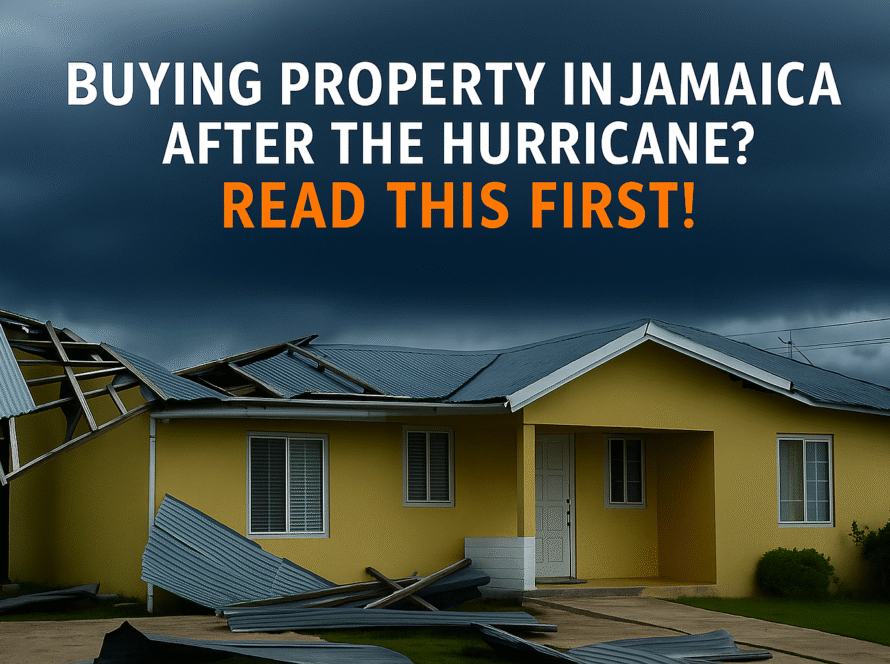
Hurricane Melissa damaged more than buildings. It disrupted transactions across Jamaica. Many properties were already under contract when the storm hit. Purchasers had paid deposits, valuations were completed, and vendors were preparing to hand over possession. Then came the wind, water, and worry.
Now both sides are asking the same question: who bears the loss when a property under sale is damaged before completion?
1. Who Is Responsible for the Property Before Completion?
Responsibility usually depends on what the agreement for sale says. The common practice in Jamaica is that the vendor remains responsible for the property until completion or possession, whichever comes first. This means that if damage occurs before the sale is finalised, the vendor typically bears the loss or must restore the property to its original condition.
However, each contract should be read carefully to confirm this. Some agreements may contain clauses that shift the risk earlier or later in the process.
2. The Role of the Agreement for Sale
After a hurricane, the first step for both purchaser and vendor is to read the agreement carefully. A typical clause may look like this:
“The premises shall remain at the risk of the Vendors up to the time of completion or possession whichever is earlier. If the same shall be substantially damaged or destroyed prior to completion, either party shall be entitled to cancel this Contract.”
If your contract includes a clause like this, it is clear that the vendor bears the risk until completion or possession. Either side can cancel the contract if the property is substantially damaged, with the deposit usually refunded.
If the agreement does not contain such a clause, both parties should seek legal advice immediately. The absence of express terms can lead to uncertainty about insurance, repairs, and closing obligations.
3. Force Majeure and Natural Disaster Clauses
The standard agreement for sale used in most Jamaican property transactions does not contain a force majeure clause. However, the standard pre-construction (“off-plan”) agreement for sale usually does.
That clause covers events outside the vendor’s control which may delay completion or construction. It often reads like this (summarised):
“The Vendor shall not be liable to the Purchaser if construction is delayed by causes beyond the Vendor’s control, including fire, flood, windstorm, earthquake, riots, strikes, or any Act of God. A delay certified by the Vendor’s Quantity Surveyor or Architect shall be binding on both parties.“
This clause means that a developer is not in breach if construction is delayed or damaged by a natural disaster such as a hurricane, provided the cause is genuinely outside their control and properly certified.
4. Insurance: Who Should Insure and Who Can Claim
Insurance coverage often determines whether a sale can continue after a hurricane. Some agreements for sale state clearly that the vendor is under no obligation to insure the property. If that is the case, and the property is damaged before completion, the purchaser may have no immediate recourse under insurance.
Where the vendor is responsible for insurance, they must ensure the policy is active until completion. If the vendor files a claim and repairs the damage, the sale can usually proceed once the purchaser is satisfied that the work was done properly. If the vendor decides not to repair, the parties may agree to cancel the contract or renegotiate the price.
NOTE: If you’re a purchaser and a portion of your purchase is financed by a mortgage institution, it is highly unlikely that they’ll APPROVE a mortgage over a damaged property. If your transaction started before Hurricane Melissa, it is likely that they will ask you to verify whether the property suffered any damage before they disburse the mortgage proceeds.
For vendors with mortgages from the The National Housing Trust (NHT), the NHT reminds mortgagors that all peril insurance claims must be made within the time limits set by the policy. See their official post, “Hurricane Melissa Peril Insurance Claims,” on the NHT website for more details.
5. Purchasers in New Developments

Buyers of newly built units should confirm whether the six-month (or “180-day”) defects-liability period is still running. If it is, the developer may be required to fix workmanship-related issues revealed by the storm. If it has expired, hurricane damage is usually treated as a new insurance event.
Ask for the completion certificate and handover letter, since both may determine when the 180 days began and ended. If the hurricane exposed poor workmanship, your attorney can help determine whether the issue falls under defects liability, insurance, or both.
6. Negotiating Repairs or Termination
If the property is partially damaged, the parties can agree to repair before completion, reduce the price, or extend the completion date to allow for repairs or insurance processing. All such arrangements must be put in writing as a formal addendum to the agreement, signed by both sides. Verbal understandings are easily forgotten and rarely enforceable.
If the property is substantially damaged or destroyed, either party may cancel under the clause quoted earlier, with the deposit refunded.
7. Lessons from Hurricane Melissa
Reports from Reinsurance News and Reuters estimate insured losses from Hurricane Melissa across Jamaica and Cuba at between US $2.2 billion and US $4.2 billion. Those figures represent more than physical damage; they reflect thousands of disrupted transactions and postponed completions.
The experience of Melissa shows that clear drafting, valid insurance, and open communication are essential to completing a sale after a natural disaster.
A Note to PURCHASERS and Vendors
After a hurricane, contracts are tested and relationships are strained. Purchasers should review their agreement, confirm whether risk has passed, and check insurance coverage before releasing funds. Vendors should act in good faith, disclose damage, and maintain insurance until completion.
Fairness and clarity protect both sides. When disaster strikes, the best outcomes come from cooperation, not conflict.
About the Author
Sean-Christopher Castle is a Partner at Cardinal Law, Attorneys-at-Law, based in Kingston, Jamaica. His practice focuses on real estate and development law, civil and commercial litigation, employment law, bankruptcy and insolvency, and strata and property management.
He regularly advises clients on property transactions, construction matters, and risk management related to hurricanes and natural disasters.
You may e-mail him at seanc@cardinallawja.com, call 876-728-9757, or WhatsApp 876-530-1787.
Related Reading
Disclaimer
This post was written by an attorney, but not your attorney. It is shared for general information and education, not for any specific legal advice. Every matter is unique, and laws or government policies may change. You should always consult your own attorney-at-law before making decisions that could affect your rights or obligations.
While every effort has been made to ensure accuracy, Cardinal Law, Attorneys-at-Law assumes no responsibility for any loss or action taken in reliance on this publication.
© Cardinal Law, Attorneys-at-Law. All rights reserved.
Cardinal Law, Attorneys-at-Law
Kingston, Jamaica | www.cardinallawja.com | @cardinallawja
_______________________________________________________
2 Comments
Comments are closed.