By Sean-Christopher Castle, Managing Partner | Cardinal Law Post-Hurricane Legal Series
The Reality for Jamaican Workplaces After Hurricane Melissa
Across Jamaica, many businesses are still struggling to reopen after Hurricane Melissa. Some buildings remain unsafe, roads are blocked, and basic services like water and electricity have not been fully restored. For many employers and employees, the question now is a pressing one: What happens to work, pay, and job security after a hurricane?
1. No “Hurricane Leave,” But the Law Still Applies
Jamaican labour laws do not specifically create a category of “disaster leave” or “hurricane leave.” However, the principles under existing legislation still apply, including:
– The Employment (Termination and Redundancy Payments) Act, which governs redundancy and layoff processes.
– The Labour Relations and Industrial Disputes Act, which encourages communication and fair settlement of workplace disputes.
– The continuing duty under the Factories Act (until the Occupational Safety and Health Act is brought into force) to maintain safe working conditions.
Even though the law does not directly address hurricanes, employers and employees are still expected to act reasonably and in good faith.
2. What Employers Should Do
Employers have a duty to act lawfully, fairly, and with transparency during recovery.
Here are five key steps every employer should take:
1. Communicate Early. Notify staff about closures, safety concerns, or reopening plans as soon as possible.
2. Document Everything. Keep written records of closure notices, payroll changes, and employee communication.
3. Prioritise Safety. Do not require employees to return to work until premises are structurally and electrically safe.
4. Consult Before Cutting Pay. If work cannot resume, discuss temporary arrangements. Arbitrary pay deductions may breach employment law.
5. Avoid Forcing Vacation Leave. Unless the contract expressly allows it, converting lost days into vacation leave without employee consent may lead to disputes.
If you’re unsure how to handle payroll, leave, or redundancy decisions after the hurricane, Cardinal Law can guide you through the legal and practical steps to stay compliant and avoid disputes.
Tip: Employers who follow clear communication and fair treatment practices often prevent disputes before they reach the Ministry of Labour.
3. What Employees Should Do
Employees also have responsibilities after a natural disaster. Absence from work due to genuine inability to travel or unsafe conditions is not the same as wilful absenteeism, but documentation helps protect your position.
Here’s what employees should keep in mind:
1. Notify Your Employer in Writing. Send a short WhatsApp message, email, or text explaining your circumstances.
2. Provide Proof Where Possible. Photos of blocked roads, flood damage, or curfew orders can help if questions arise later.
3. Stay Informed. Keep in touch with your employer about reopening dates or modified schedules.
4. Be Ready to Return. Once it is safe and reasonable to do so, report for duty promptly.
5. Avoid Conflict. Communication shows good faith and can prevent disciplinary issues.
If you believe your rights have been affected or you’re facing unfair deductions, suspension, or dismissal after the hurricane, Cardinal Law can help you understand your legal options and next steps.
4. Government Guidance and Best Practices
Following Hurricane Melissa, the Government of Jamaica directed that non-essential public-sector workers who could not attend work would not lose vacation days. That decision reflects the principle of fairness and shared hardship.
While the directive applies to public-sector employees, private-sector employers are encouraged to follow similar good-faith practices. Disasters call for compassion, not confrontation.
5. If Disputes Arise
Even with goodwill on both sides, disputes sometimes happen. If that occurs:
– Attempt internal discussion first.
– If unresolved, contact the Ministry of Labour and Social Security for mediation or conciliation.
– Serious matters involving termination, pay disputes, or redundancy may be referred to the Industrial Disputes Tribunal (IDT).
Keep communication records, payslips, and correspondence. Documentation is often the difference between a quick resolution and a prolonged dispute.
If discussions break down or you need representation before the Ministry of Labour or the Industrial Disputes Tribunal, Cardinal Law can represent you or your company through the process.
6. Lessons from Hurricane Melissa
Hurricane Melissa has reminded everyone — employers and workers alike — that people come before policies. Many businesses were forced to suspend operations, but fairness, communication, and mutual respect will determine how quickly Jamaica’s workforce recovers.
Employers who act transparently and employees who cooperate in good faith both help rebuild not just the economy, but trust.
7. What About Compassionate Leave?
The law does not require employers in Jamaica to grant compassionate leave after a disaster, unless it is already provided for in the employee’s contract or through a collective bargaining agreement.
That said, many employers choose to offer short periods of paid or unpaid leave on compassionate grounds, especially where employees have suffered loss of property, injury, or the death of a family member as a result of the hurricane.
This kind of leave is a gesture of goodwill, not a legal obligation, but it can make a meaningful difference in rebuilding trust and morale. Employers are encouraged to consider it on a case-by-case basis, balancing compassion with business practicality.
Every organisation’s circumstances are different. If you need help drafting or reviewing workplace policies on disaster response, pay continuity, or compassionate leave, Cardinal Law can assist with tailored legal solutions.
8. A Note to Employers and Workers
Law is about balance. Employers must protect their businesses, but employees must also be treated fairly and with dignity. The most effective recovery happens when both sides focus on solutions, not blame.
When things can’t be worked out between employers and employees, there’s a lawyer you can contact — Cardinal Law. Whether you’re a company seeking guidance or an employee facing a difficult situation, we can help you resolve it lawfully, fairly, and efficiently.
About the Author
Sean-Christopher Castle is a Partner at Cardinal Law, Attorneys-at-Law, based in Kingston, Jamaica. His practice focuses on real estate and development law, civil and commercial litigation, employment law, bankruptcy and insolvency, and strata and property management.
He regularly advises clients on property transactions, construction matters, and risk management related to hurricanes and natural disasters.
You may e-mail him at seanc@cardinallawja.com, call 876-728-9757, or WhatsApp 876-530-1787.About the Author
Related Reading
• Property Sales in Jamaica After a Hurricane: Who’s Responsible for the Damage?
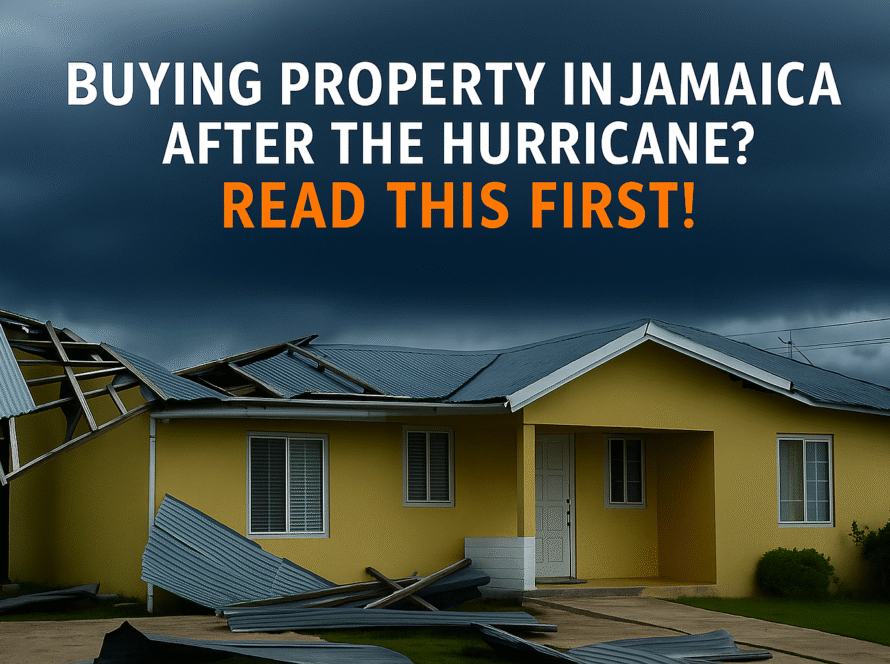
• Buying Property in Jamaica After the Hurricane? Read This First!
• After the Hurricane: 7 Legal Steps to Protect Yourself and Your Family
Disclaimer
This post was written by an attorney, but not your attorney. It is shared for general information and education, not for any specific legal advice. Every matter is unique, and laws or government policies may change. You should always consult your own attorney-at-law before making decisions that could affect your rights or obligations.
While every effort has been made to ensure accuracy, Cardinal Law, Attorneys-at-Law assumes no responsibility for any loss or action taken in reliance on this publication.
© Cardinal Law, Attorneys-at-Law. All rights reserved.
Cardinal Law, Attorneys-at-Law
Kingston, Jamaica | www.cardinallawja.com | @cardinallawja